TOMORROW, AND TOMORROW, AND TOMORROW
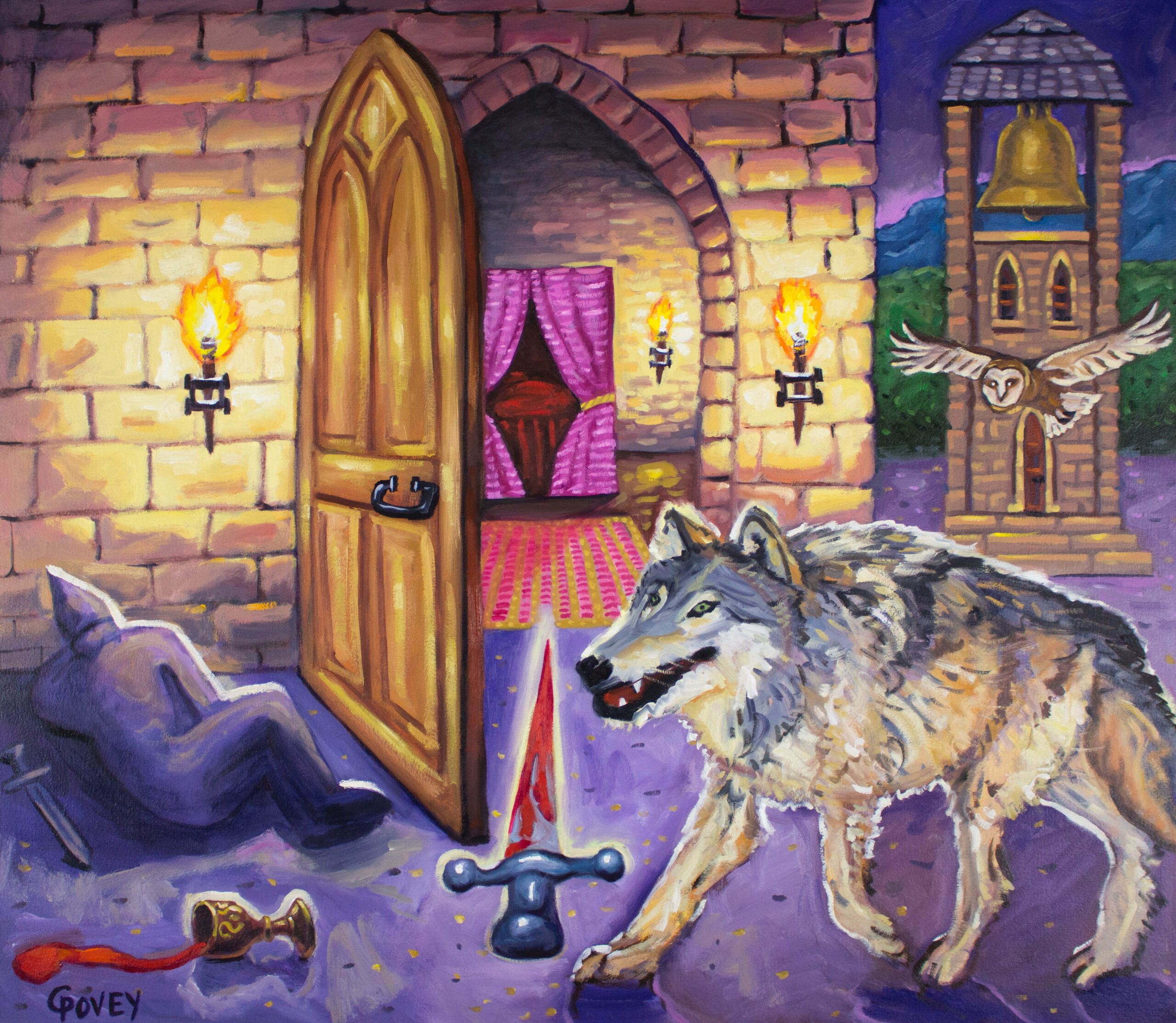
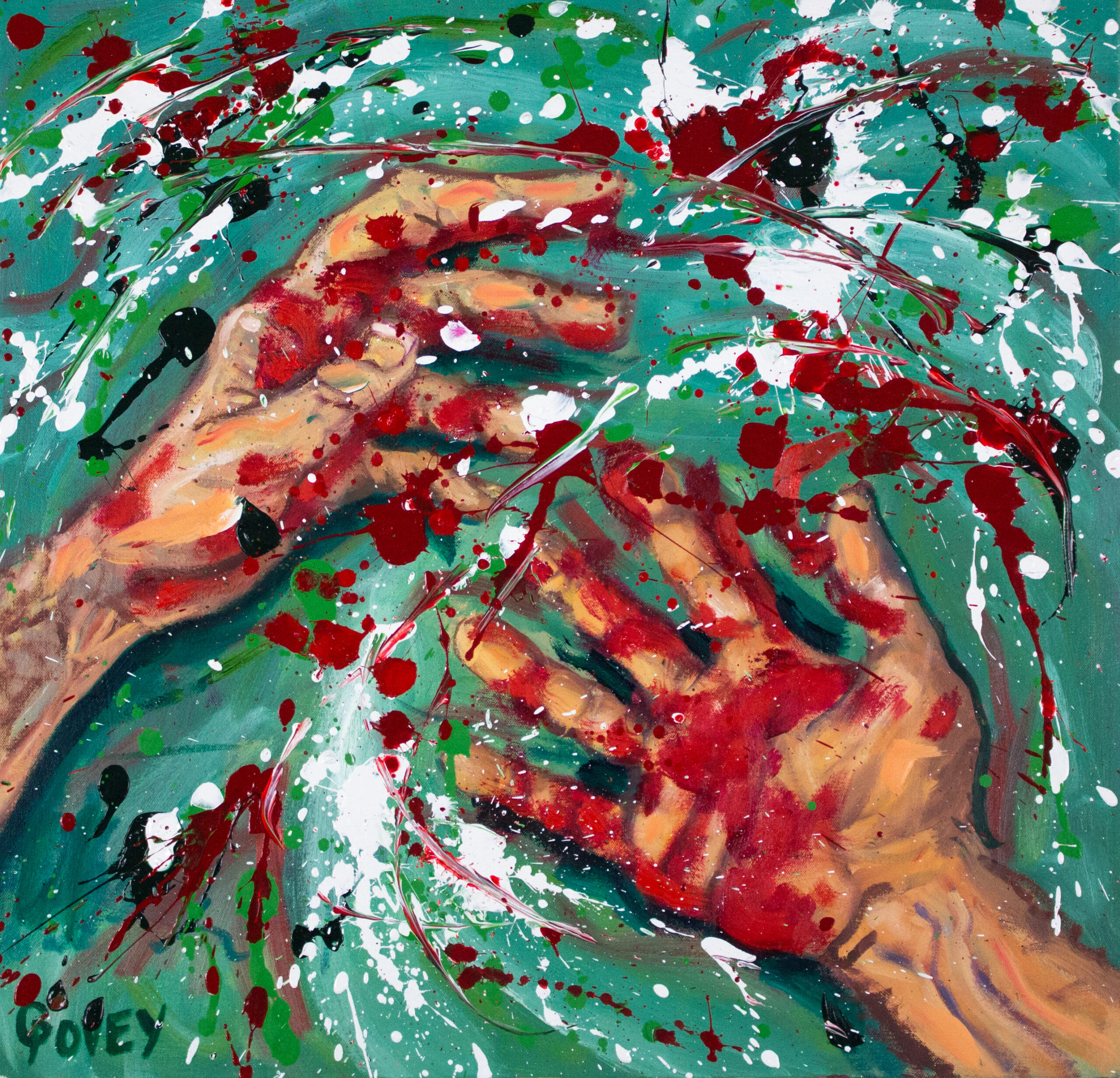
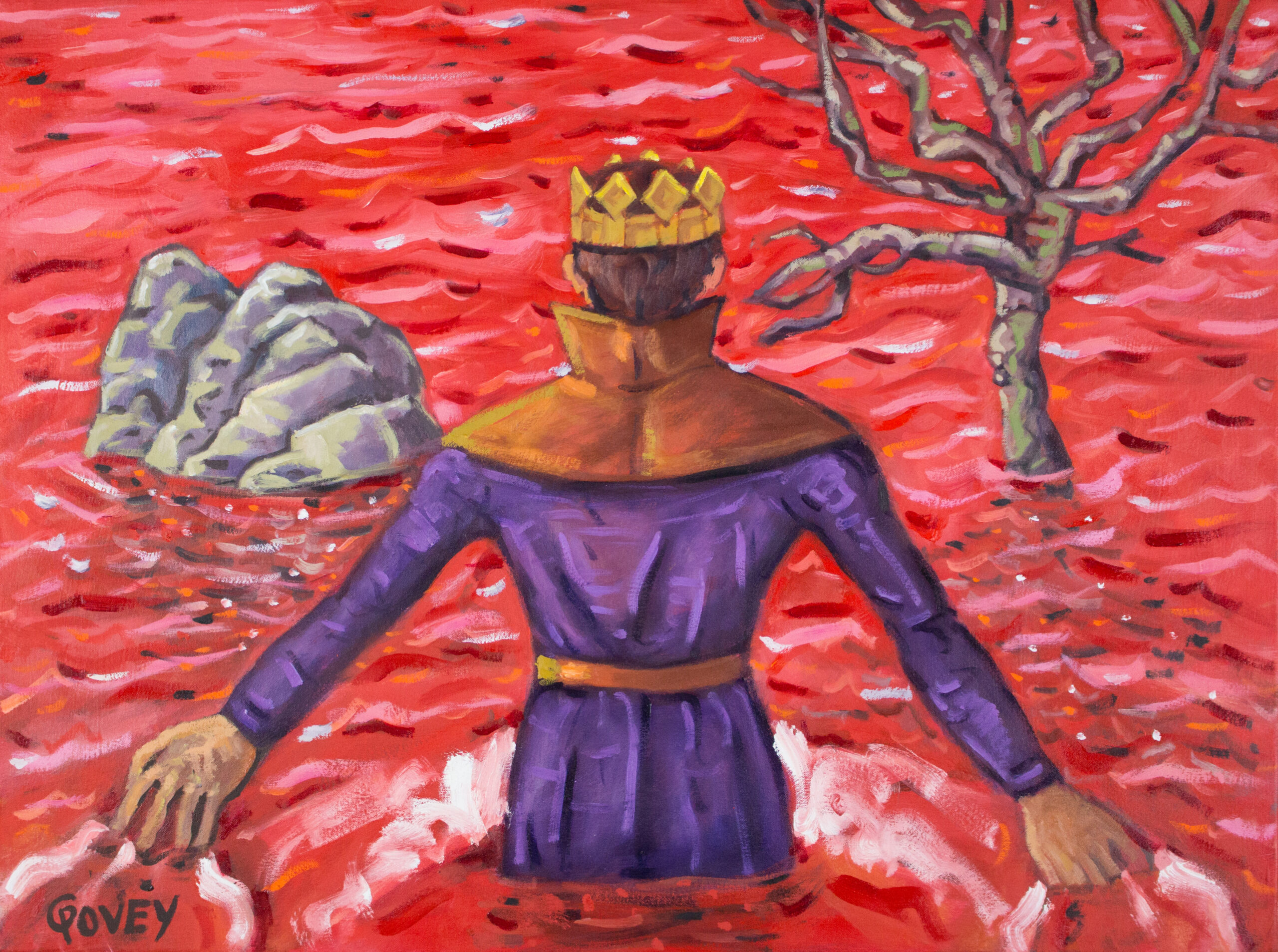
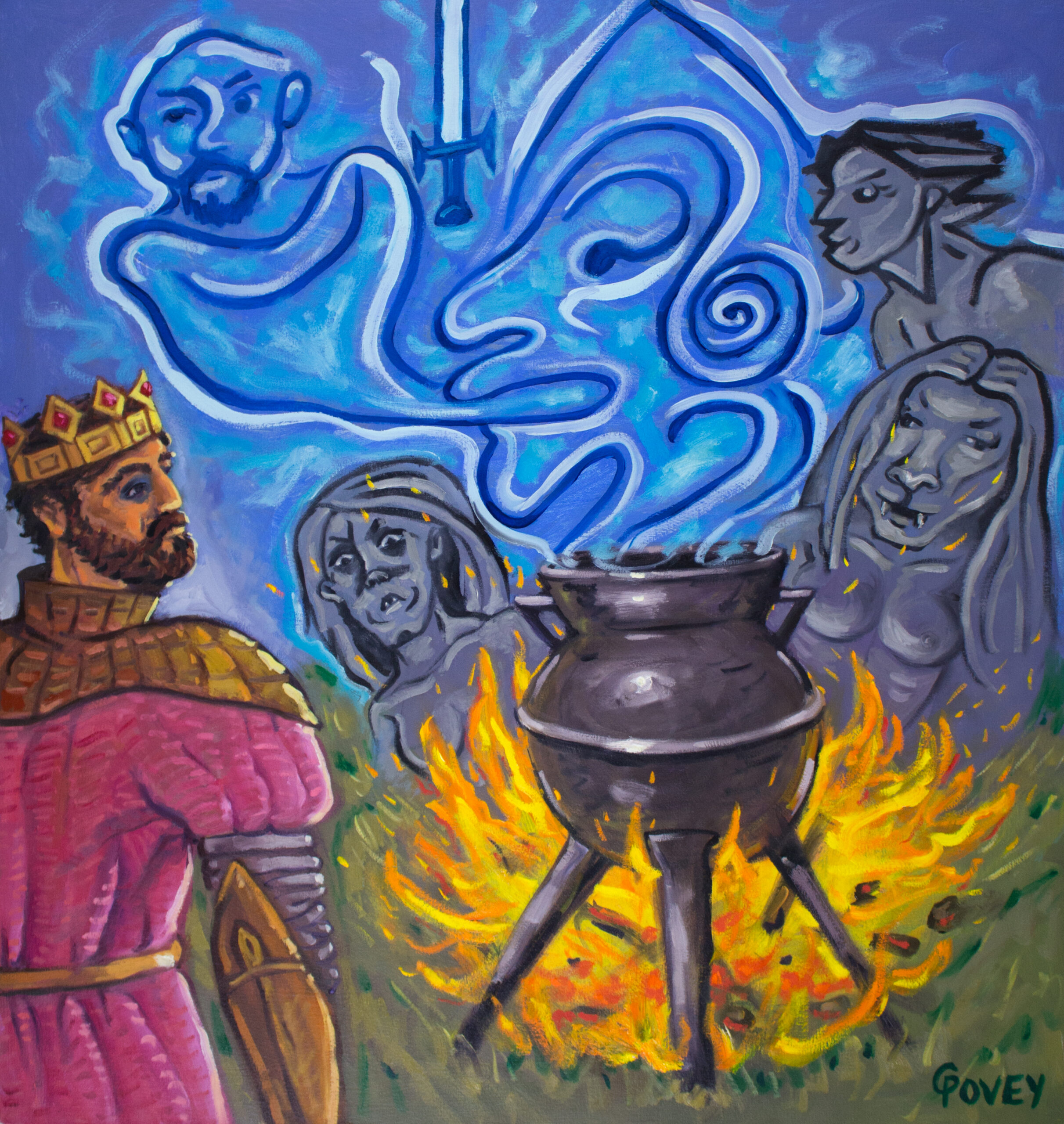
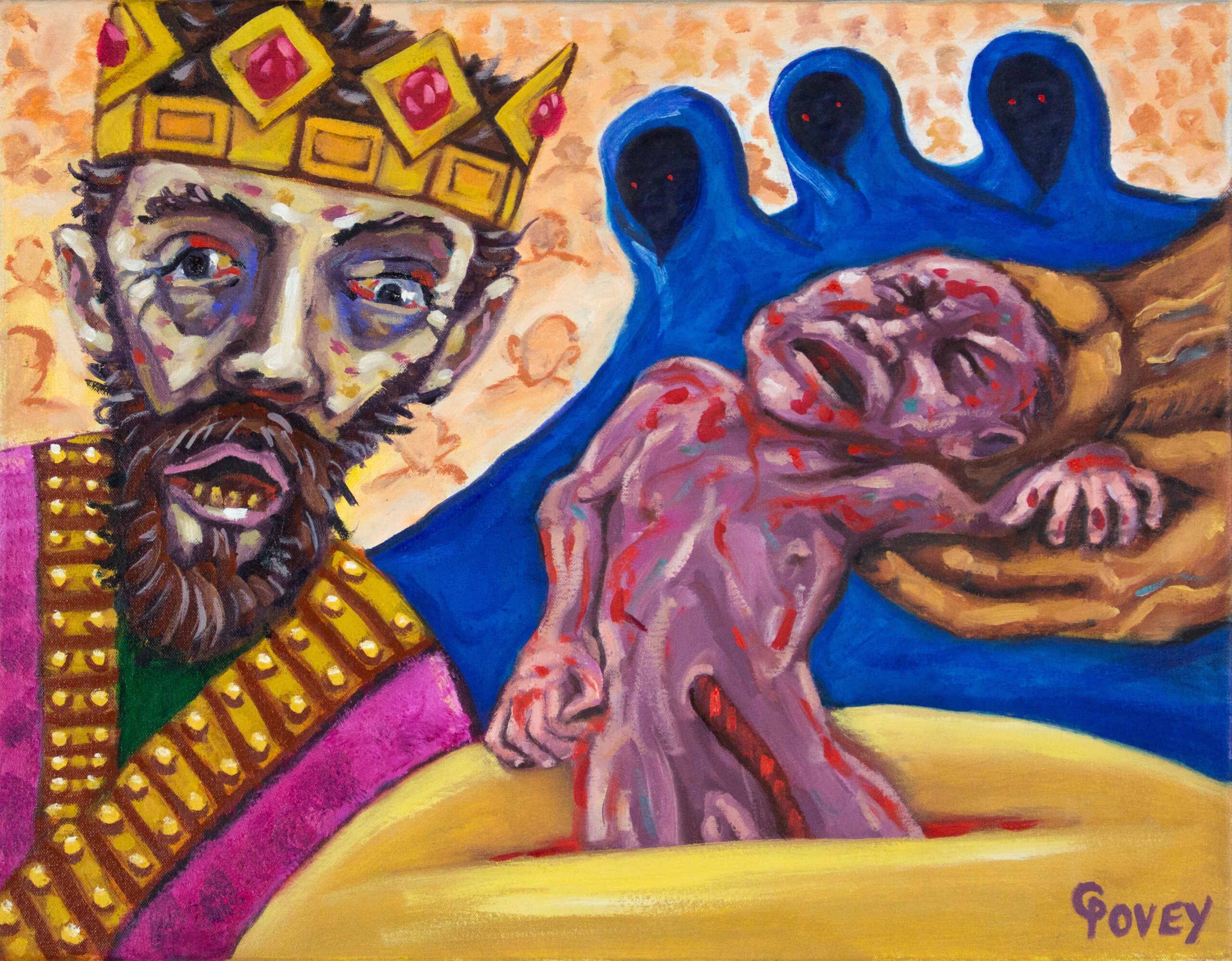
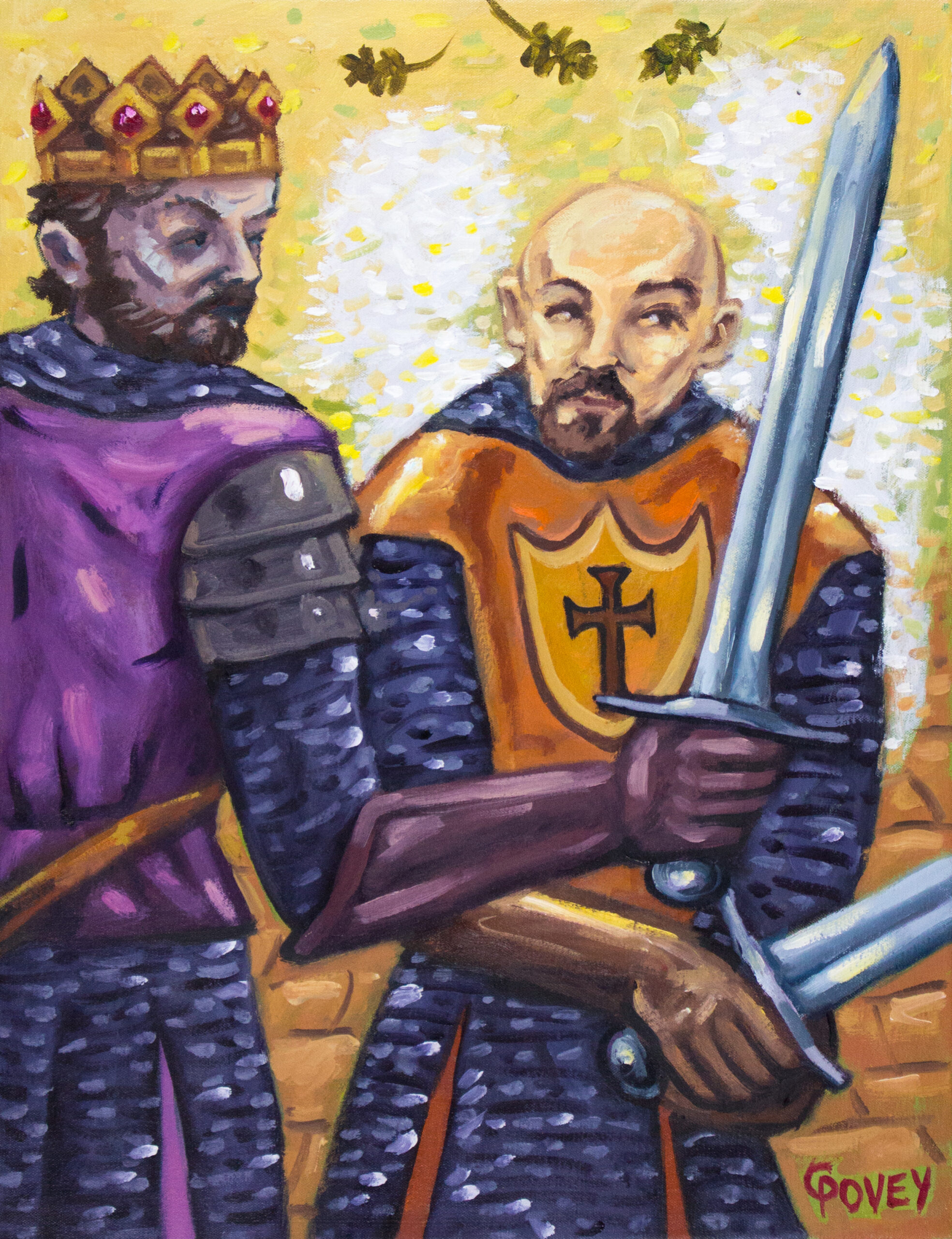
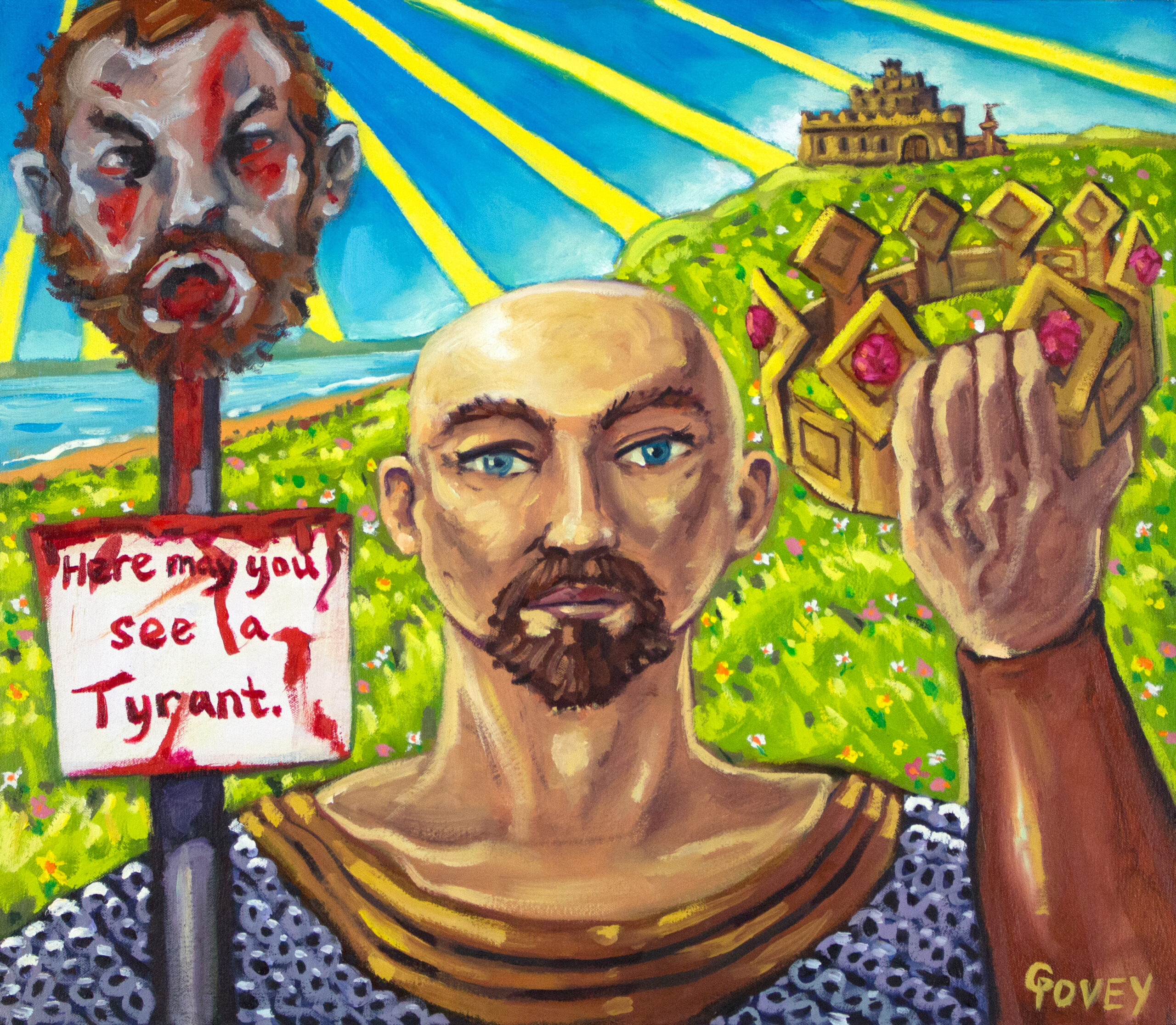
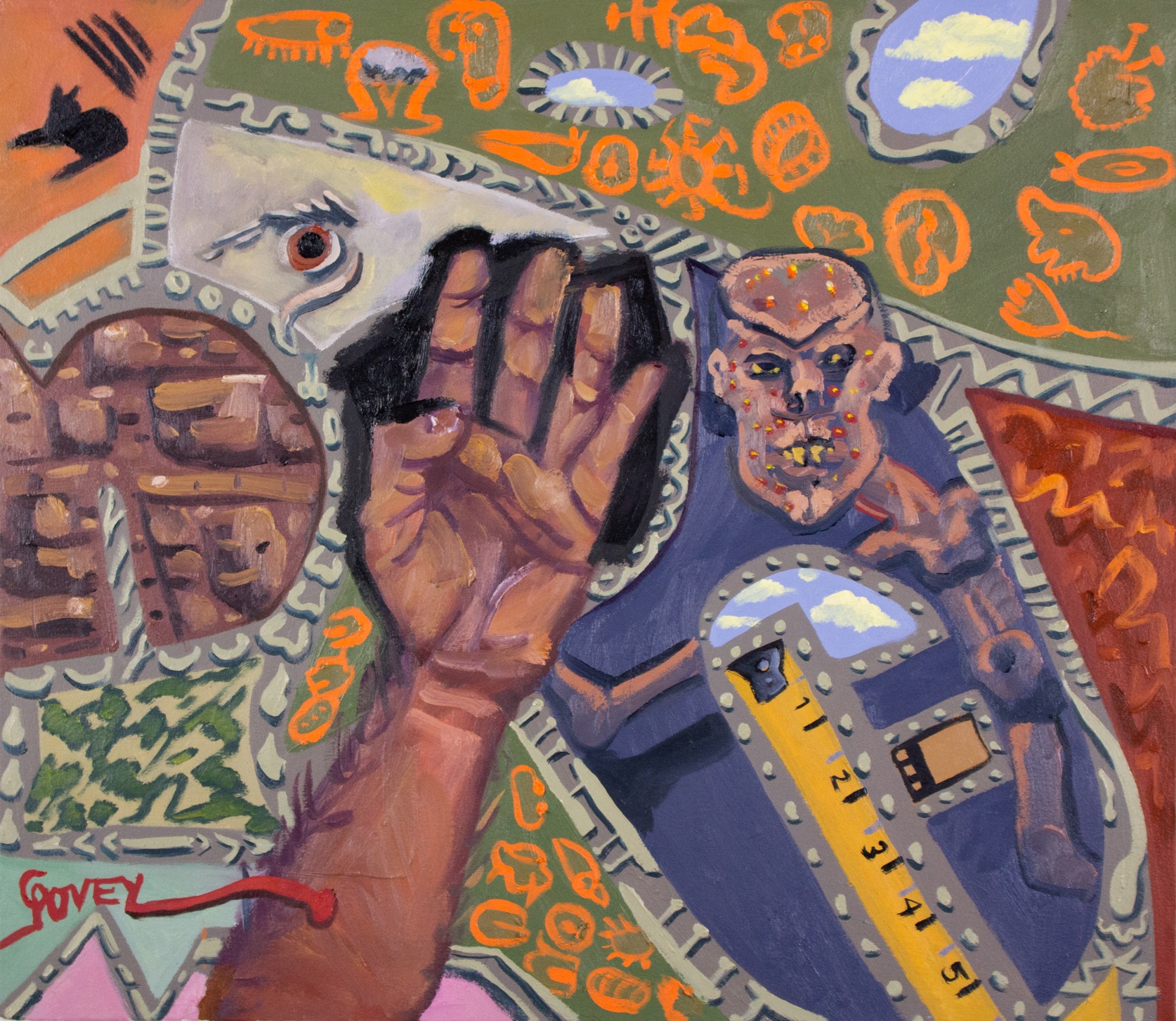
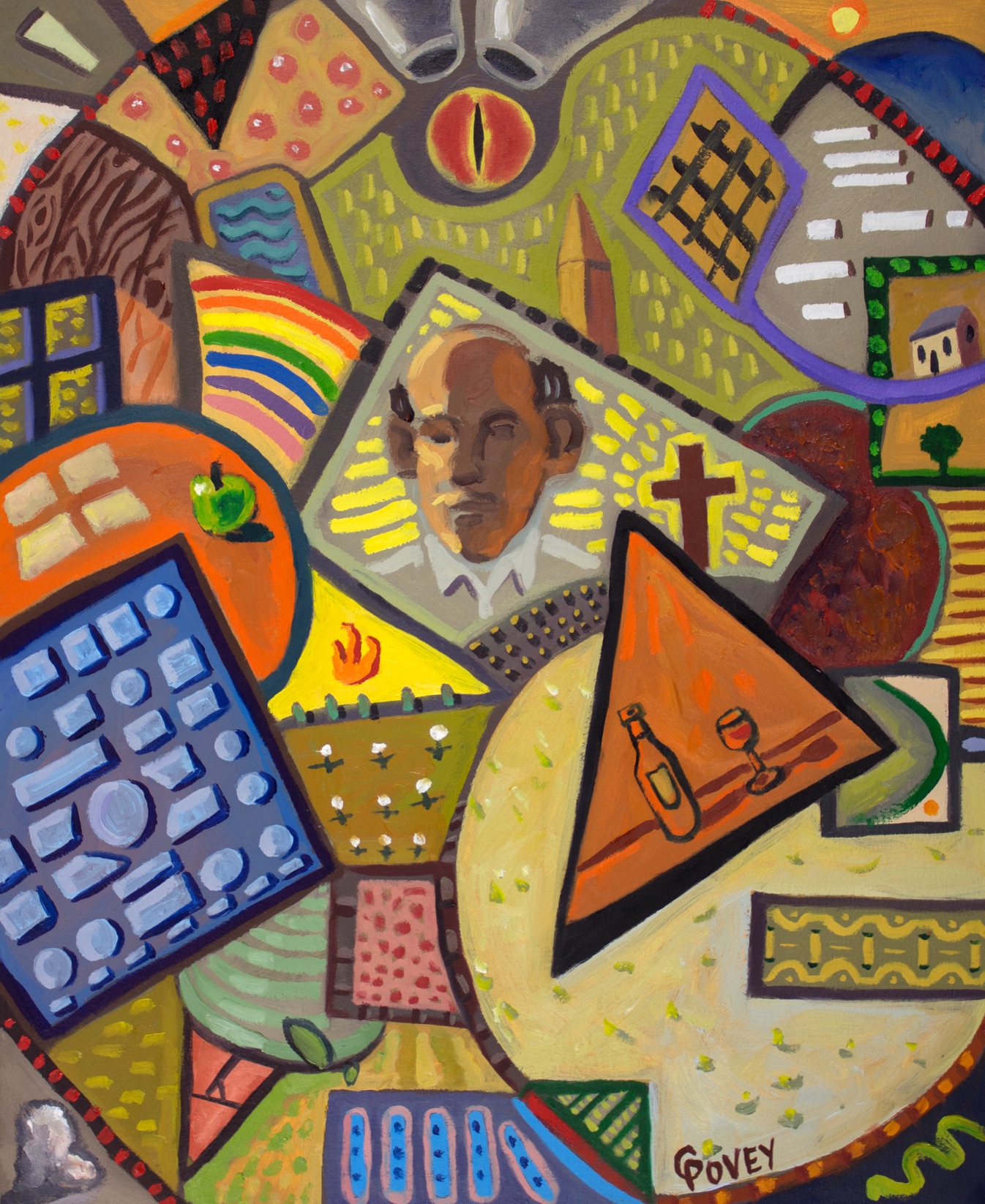
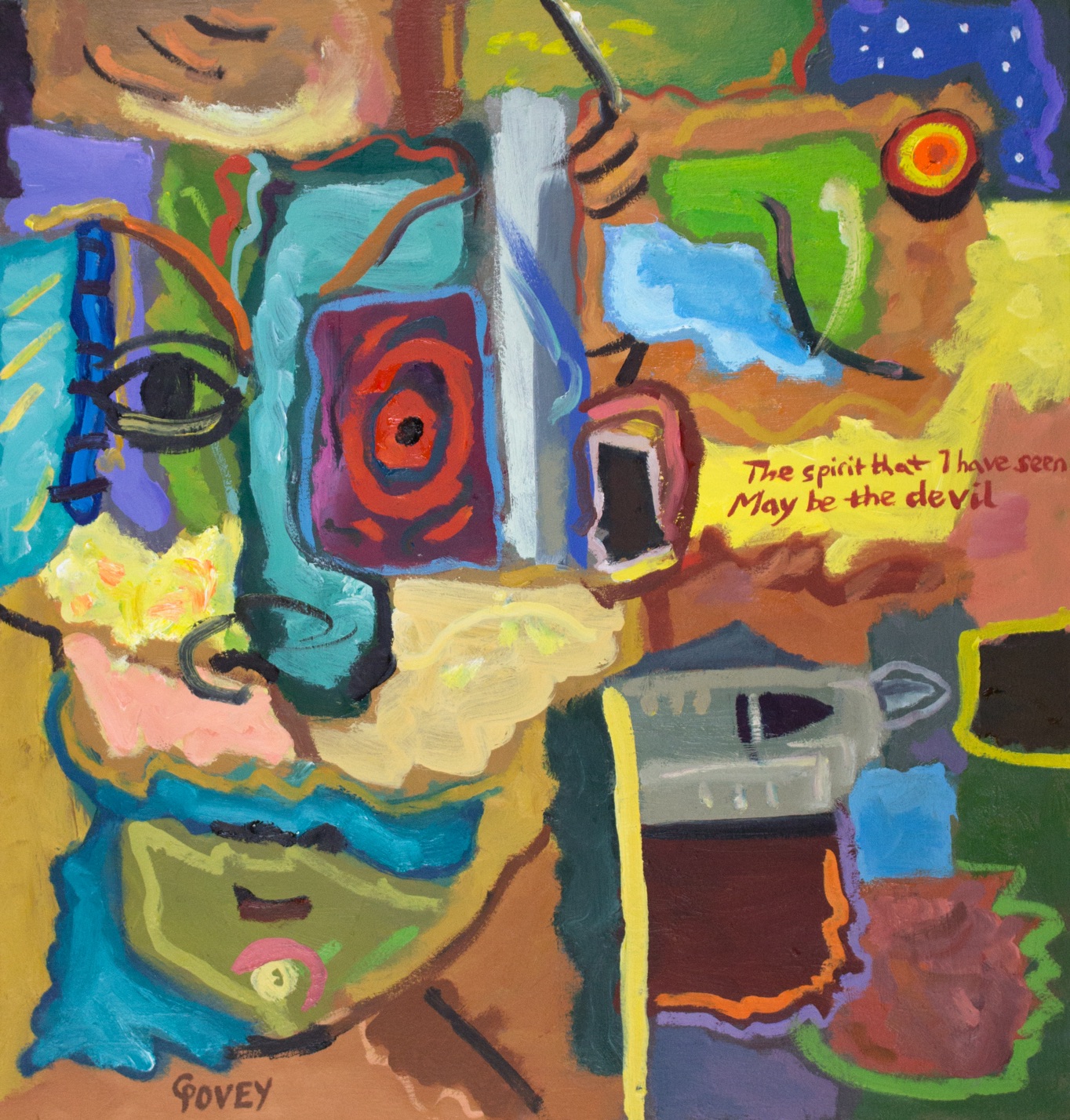
One of the most famous soliloquies from Shakespeare, “Tomorrow, and tomorrow, and tomorrow” is a poignant and introspective soliloquy that encapsulates Macbeth’s despair, nihilism, and contemplation of life’s meaninglessness. It reflects on the passage of time and the fleeting nature of life. This bleak outlook reflects Macbeth’s realization that all his ambitious pursuits, power struggles, and crimes have ultimately led to emptiness and futility. His words convey a sense of resignation and hopelessness as he confronts the consequences of his actions and the inevitability of his downfall.
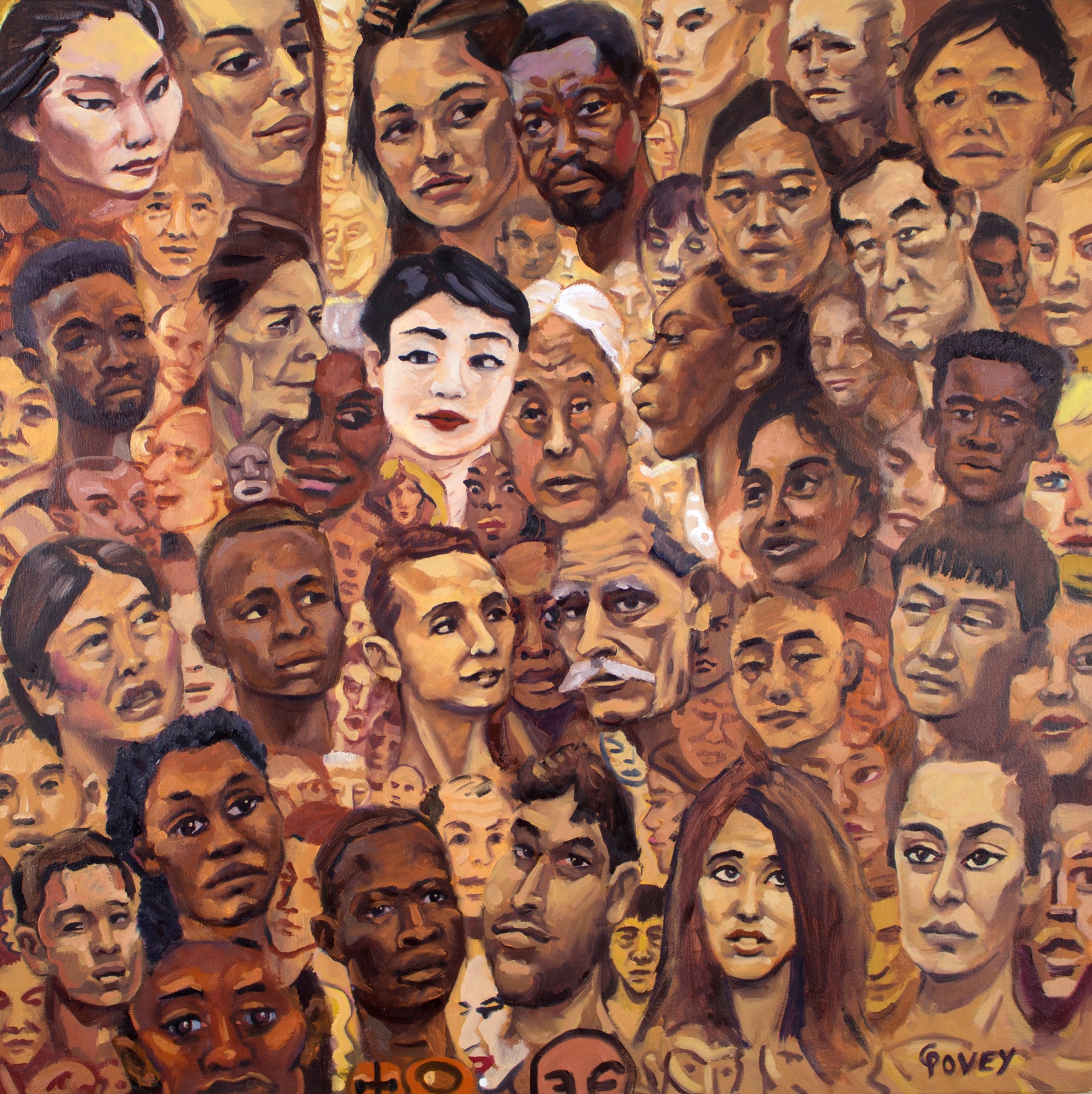
The speech touches on universal themes of mortality, fate, and the human condition. It highlights the transient nature of life and the existential questions that arise when facing mortality and the consequences of one’s choices.